
How Do You Choose the Right Paint for Your Siding? A Guide to Exterior Painting in Chino Valley, AZ
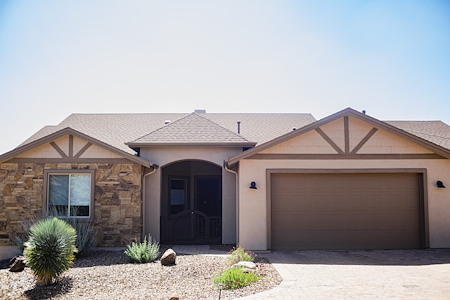
If you are planning exterior painting in Chino Valley, AZ, picking the right siding paint is the decision that affects everything that follows. The color, the chemistry, and the finish each play a role in how long your home looks fresh under high desert sun, cool nights, and summer storms. This guide breaks down the best exterior paint types by siding material so you can make a confident choice and partner with pros who know our climate. If you want help comparing options, our team provides full-service exterior painting from start to finish.
Why Paint Choice Matters In Chino Valley
Chino Valley sits around 4,700 feet in elevation with strong UV, dry air, and quick temperature swings. Summer afternoons can be hot and windy, then monsoon cells roll through with brief bursts of rain. Nights cool down fast in spring and fall. Those shifts stress coatings. The wrong product can fade early, crack, or peel at seams and fasteners. The right formula stays flexible, resists chalking, and keeps color true.
That is why two homes with the same color can age very differently. A coating built for the high desert will grip better, flex with the substrate, and fight UV far longer than a generic “one-size-fits-all” paint.
Match Exterior Paint Types To Your Siding
Different materials move, absorb heat, and handle moisture in different ways. Here is a simple way to think about the match.
Vinyl Siding
Vinyl expands in heat. Dark paints absorb more sun and can cause warping if you use the wrong formula. Choose paints labeled “vinyl-safe” or use lighter colors with a higher light reflective value. Aim for lighter shades unless the product is rated for dark colors on vinyl.
Fiber Cement Siding
Fiber cement loves 100% acrylic exterior paint. It holds color well and allows minor moisture vapor to escape. If boards are factory-primed, stick with a compatible 100% acrylic topcoat for reliable adhesion and color retention across our sunny seasons.
Engineered Wood and Traditional Wood Siding
Wood moves with temperature and humidity swings. A high-quality 100% acrylic paint or an alkyd-modified acrylic provides good flexibility and blocking resistance. Spot-prime bare wood and knots with a suitable primer to reduce tannin bleed. Satin or low-sheen finishes on lap siding can help hide small defects while staying washable.
Stucco
Our area’s stucco often needs a breathable, high-grade 100% acrylic exterior paint designed for masonry. It handles micro-movement and resists alkali. Many homeowners ask about elastomeric coatings. In our drier climate, elastomerics can be overkill and may complicate future repainting if the coating gets nicked or compromised. A premium, breathable acrylic is usually the smarter long-term choice.
Color, LRV, And Heat: Keep Your Siding Safe
Color affects surface temperature. Darker colors absorb more heat, which can increase expansion on vinyl and stress caulk lines and fasteners on any siding. Look at the paint’s light reflective value. Higher LRV means the color reflects more light and heat, which often helps your finish last longer on sun-baked south and west walls.
- For standard vinyl, favor higher LRV colors unless the paint line is vinyl-approved for dark shades.
- On fiber cement or wood, darker colors are fine with quality coatings, but expect more sun load on south and west elevations.
- On stucco, medium to lighter tones hold up well and help reduce surface temperature swings.
Finish And Texture: What Sheen Hides Or Highlights
Finish changes how your exterior reads from the curb and how easy it is to keep clean.
- Flat and matte hide surface texture and small repairs best, especially on stucco. They also help minimize roller or lap marks on big walls.
- Eggshell and low-sheen acrylics give a small bump in washability while still forgiving on imperfections.
- Satin on trim and doors offers a subtle glow and easier cleaning where hands and sprinklers hit most.
Tip: Use a consistent sheen on wide wall areas and a slightly higher sheen on trim for clean contrast without glare in bright Arizona sun.
Weather Timing For Chino Valley Homes
Paint does not just dry. It cures. Rapid drops in temperature after sunset can slow curing or trap moisture. In Arizona, monsoon season typically runs mid-June through late September, when afternoon storms pop up fast. If you want a deeper dive into scheduling for local weather windows, scan this short read on the best time of year for exterior painting.
Many homeowners across Appaloosa Meadows, Bright Star, and Highlands Ranch plan projects for spring and fall for steadier temperatures and calmer winds. Early summer can work well with morning starts and smart sequencing that follows the shade.
Durability Features Worth Paying For
Labels can be crowded. Focus on the features that matter in our high desert climate.
Look for these on the can:
- 100% acrylic resin system for flexibility and adhesion
- UV and color-fade resistance rated for high sun exposure
- Mildew and dirt resistance for dusty, breezy days
- Efflorescence and alkali resistance on masonry and stucco
- Manufacturer’s vinyl-safe technology if choosing a dark color for vinyl
Avoid These Common Siding Paint Mistakes
Small missteps now can shorten the life of your new finish.
- Choosing a dark, non‑vinyl-rated paint on standard vinyl siding
- Skipping primer on bare wood knots or factory edges on trim
- Using interior-grade caulk outside, which can crack quickly in the sun
- Forgetting that south and west walls take the most heat and may need a color with higher LRV
If your stucco shows hairline cracks or you see failed patches near windows, schedule stucco repair before you paint so the topcoat protects instead of just covering.
How Pinon Painting Helps You Choose The Right Coating
Picking a product is not guesswork. Our estimator notes your siding type, exposure, shade lines, and previous coatings. You get a simple, written plan that pairs your surface with a proven coating line and finish. When you want a color that runs darker on a hot wall, we help you balance shade, LRV, and brand technologies so you keep the look you want without risking early failure.
Many neighbors start at our home base to learn about exterior painting in Chino Valley, AZ and what works in our sun and wind. From there, we confirm colors, coordinate around the forecast, and protect your landscape so your yard looks untouched when the job wraps.
Real-World Examples That Inform Choices
In north-facing cul-de-sacs, walls often hold morning moisture longer, so breathable acrylics shine. On exposed south and west faces in wide-open parts of town, higher LRV colors or vinyl-safe technology help keep siding straight and cool. Trim along sprinklers does better with a tougher satin finish to reduce water spotting.
If your siding is aging or failing in sections, our carpentry team can advise on replacement options that pair well with future coatings. That way you start with a sound surface and avoid painting over problems.
Ready To Refresh Your Siding The Right Way?
If you want your color to last and your siding to stay protected, let Pinon Painting handle the details that matter in our high desert climate. We will confirm the best chemistry for your surface, help you land on a color that fits the sun load, and plan the schedule around winds and storms. Explore our approach to exterior painting, or call us at 928-778-2902 to talk through your home’s siding and goals.
TIME FOR AN UPDATE? CONTACT OUR PRESCOTT PAINTING CONTRACTORS TODAY!